
Quick update: CBP has shifted staff into valuation review, liquidation timelines are speeding up, Big Four tax teams expect IRS-CBP info sharing, and USTR is preparing to keep China pressure high even if the Court limits IEEPA. None of this changes the core thesis – it reinforces it.
Everyone’s staring at the potential refunds. But here’s the real story:
Even if the plaintiffs win, China stays in the penalty box – and refunds won’t be frictionless.
The ruling may change how tariffs are applied, but not the strategy behind them.
Why Plaintiffs Have Tailwind Right Now
• The justices pushed hard on the government’s “limitless emergency authority” argument. • Several top firms quietly raised probabilities of a narrow plaintiff win. • The White House is already drafting “we lost” messaging. • Industry associations are telling members to get paperwork in order now.
We’re not calling the outcome-but the momentum is real.
How Big Could Refunds Be? (The Narrow Version: ~$40B)
In the most conservative scenario:
• ~$35-40B in refunds • 95%+ tied to China List 4A • Lists 1-3 stay in place • Section 301 and 232 stay in place • Only the 2025 IEEPA layer is potentially refundable
It’s still one of the largest refund events in U.S. trade history.
The Part No One Wants to Talk About: Scrutiny Is Coming
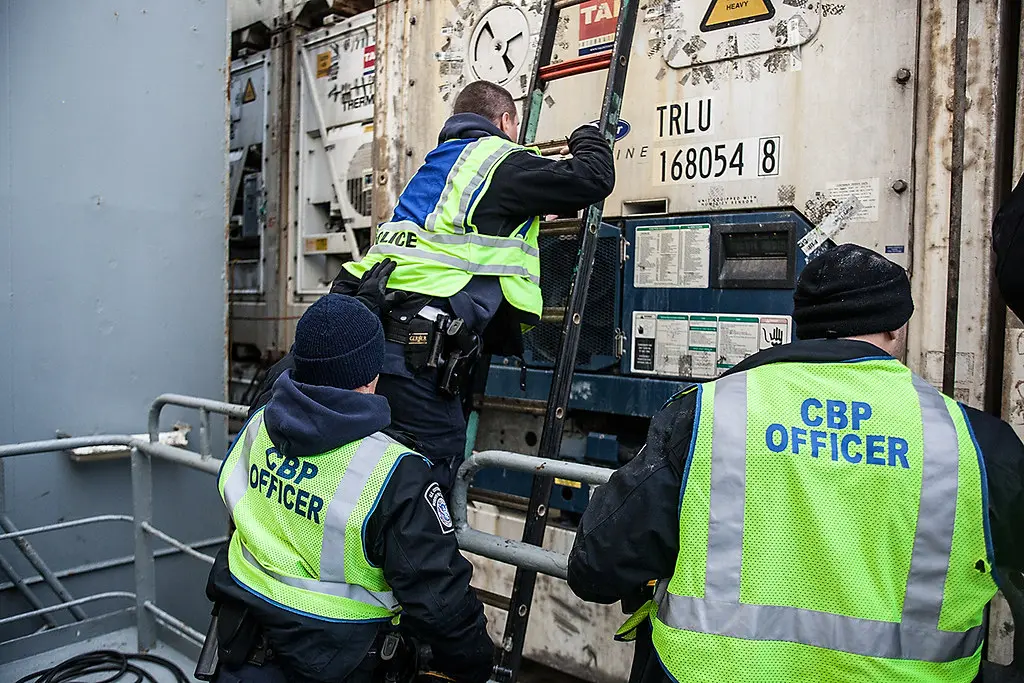
If refunds end up in the tens of billions, CBP won’t just hand out checks. They’ll verify who actually “felt the pain.”
1. Economic‑Burden Tests (IRS style)
Yes, this is on the table….strange but could happen!
Expect questions like:
• Did you pass the tariff cost to customers? • Did you capitalize duties and already expense them? • Did suppliers drop pricing to offset impact? • Did your margins stay flat?
If CBP thinks you didn’t really eat the cost, your refund may stall.
2. Transfer Pricing Scrutiny (the sleeper issue)
This is where companies will get blindsided.
CBP + IRS have begun info‑sharing conversations. Expect questions around:
• Intercompany pricing • year‑end true‑ups • margin protection • where the duty cost actually landed • customs vs TP positions (if they don’t match, expect delays)
This alone could drag refunds out 12–24 months for multinationals.
3. Expanded Valuation Audits
CBP is already:
• Requesting documents pre‑liquidation • reallocating audit staff • training on “refund verification”
They’ll look at:
• first sale • assists • rebates • post‑import price adjustments • related‑party margins
China Stays in the Penalty Box No Matter What
USTR is already telling stakeholders:
“If IEEPA gets limited, we’ll replace it with other tools.”
Translation:
• New 301 actions • more 232 • more AD/CVD • forced labor enforcement • “resilience” tariffs • outbound restrictions…
Different tool, same strategy.
Diversification Is Now a Competitive Advantage
Supply chain data is clear:
• USMCA inquiries +18% • Vietnam +22% • Indonesia +27% • India flat (capacity + AD/CVD risk)
Customers are already screening out China‑heavy suppliers.
Winning allocation:
• 30% China • 40% USMCA / SE Asia • 20% Japan / Korea / EU • 10% domestic…if you can pull it off or something similar. No guarantee you couldn’t still be whacked…look at cabinet importers that diversified and now face 25-50% outside China.
The Most Important Point: The Liquidation Clock Is Already Against You
If an entry liquidates and 180 days pass with no protest, your refund rights are dead — period.
And right now:
• Liquidations are hitting 30–45 days early • PSC extensions are being denied • entries are getting flagged “pending review” • most 2025 entries will be outside the window by Q1
Waiting is the single biggest mistake an importer can make.
What You Need To Do Right Now
1. Pull ACE data Map 2025 entries + liquidation dates.
2. File PSC extensions Do not wait — denials are increasing.
3. Protest immediately on liquidation Think in days, not months.
4. Prepare documentation Pricing logic, margin impact, inventory treatment, supplier negotiations, transfer pricing alignment.
5. Accelerate supplier diversification Move 20–30% of volume now. Not after the ruling. Now.
Refunds are a one‑time opportunity. Diversification is long-term strategy!
I help companies small and large on mitigating tariff exposure…taking actionable steps to give you greater confidence on a logical path forward.
Book a call….
https://supplychainalytics.ai/contact
Sign up for my newsletter…
https://supplychainalytics.ai/blog/#newsletter
Refund‑Rights Preservation Checklist
I built a one‑page checklist covering:
• Liquidation tracking • PSC timing • protest rules • documentation for scrutiny • transfer pricing alignment • weekly broker review • economic‑burden proof requirements
Download here: https://supplychainalytics.ai/refund-rights-preservation-checklist/
Protect your rights. Prepare for scrutiny. Position your company to win the next era of tariffs.