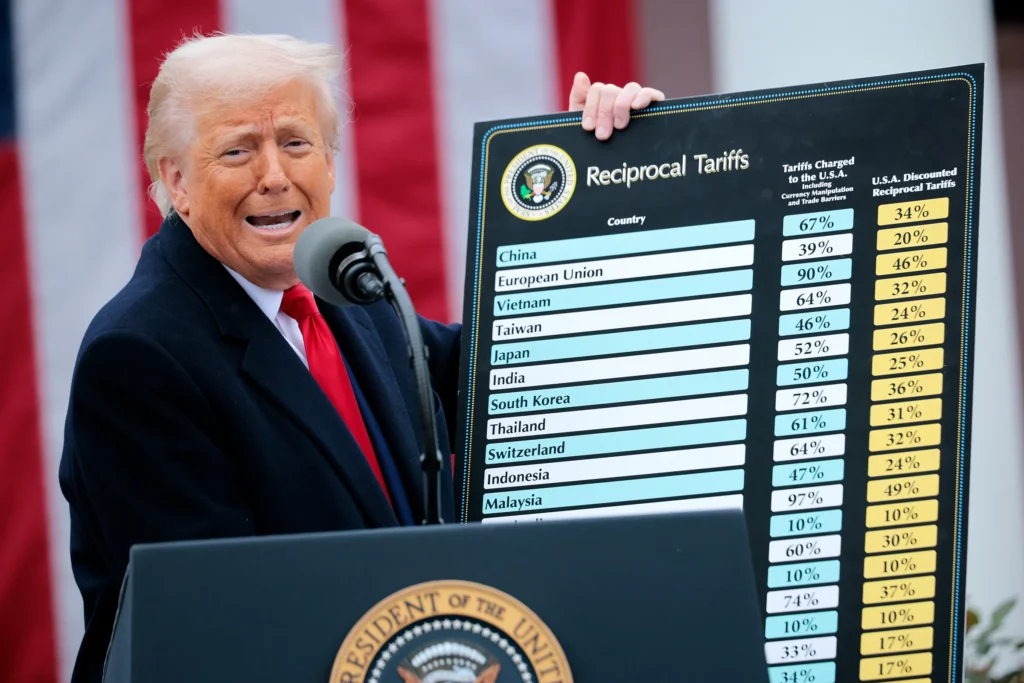


The Supreme Court has agreed to review President Trump’s sweeping tariffs imposed under IEEPA, with oral arguments scheduled for early November. A decision could follow as early as December or stretch into early 2026, depending on the Court’s deliberations. With billions in potential refunds and the future of U.S. trade policy at stake, the decision could significantly reshape supply chains and global trade.
Key Scenarios to Monitor
1. Timeline for a Ruling
- Fast-Track Path: If the Court expedites deliberations, a ruling could come before year-end, possibly in time for 2025 planning cycles.
- Extended Deliberation: The ruling may take months, with refunds or changes delayed until mid-2026. Businesses should prepare for prolonged uncertainty.
2. Potential Rebates
- Rebates could apply retroactively for tariffs paid within the past five years, depending on protest timelines and Customs enforcement policies.
- Businesses should organize import documentation now to avoid delays in claiming refunds.
3. Backup Tools the Administration Could Use
- Even if tariffs are struck down, the administration could pivot to other trade tools:
- Section 232 Tariffs: National security tariffs on metals and other goods.
- Section 301 Tariffs: Trade enforcement measures targeting unfair practices, such as those used against China.
- Quotas: Non-tariff limits on imports for sensitive industries.
- These tools could impose new restrictions, requiring businesses to remain vigilant.
What Supply Chains Need to Do Now
1. Assess Your Exposure
- Identify products and suppliers most affected by tariffs, focusing on high-margin goods and key supply chain partners.
- Evaluate potential financial exposure under a rebate scenario versus ongoing tariff costs.
2. Prepare for Refunds
- Organize key documentation, including import entry summaries, proofs of payment, and broker records.
- Review which entries fall within protest timelines and are eligible for refunds.
3. Optimize Procurement and Inventory
- Avoid overcommitting to pull-ahead shipments until refund and policy timelines are clearer.
- Monitor logistics for potential disruptions, especially if the ruling coincides with peak shipping seasons.
4. Explore Sourcing Alternatives
- Assess alternative suppliers and regions to mitigate tariff risks.
- Validate preferential trade agreements like USMCA to reduce costs and ensure compliance.
5. Plan for All Scenarios
- Develop contingency strategies for three outcomes:
- Full Tariff Removal: Prepare for price adjustments and rebate claims.
- Partial Rollback: Adjust sourcing and pricing strategies for affected categories.
- Continuation or New Tariffs: Tighten compliance, explore duty mitigation, and secure flexible logistics options.
Why This Matters
This case could redefine U.S. trade policy, with ripple effects across supply chains, pricing, and compliance. Businesses that proactively prepare for potential scenarios will gain a competitive edge, whether through rebates, cost savings, or better risk management.
Next Steps
The stakes are enormous, and delays are likely. Let’s discuss tailored strategies to prepare for all outcomes. Contact me today to get started.