
What Just Happened at the G7
Trump just left the G7 summit a day early, citing Middle East tensions. But here’s what this means for supply chain professionals:
✅ DONE: UK Trade Deal Finalized
- Trump and PM Keir Starmer finalized their trade agreement
- UK remains the ONLY country with a completed deal
- Still faces 10% baseline tariff under the agreement
❌ LEFT HANGING: Everyone Else
- Japan, EU, India, Canada, and others got no resolution
- Trump departed before crucial bilateral meetings
- 30 days left until July 9th deadline
- No major breakthroughs on tariff relief
G7 Opportunity Lost – Uncertainty Escalates
The G7 was supposed to be the last-ditch opportunity for face-to-face negotiations. Instead:
- Trump left after just one day
- Key bilateral meetings canceled (Ukraine’s Zelensky, Mexico’s Sheinbaum, others)
- Major trading partners still without clarity
- Canada got a “30-day commitment” but no concrete deal
The window for political solutions just slammed shut.
This Will Definitely Drag On for Months, Not Weeks
With Trump’s early departure and focus shifting to Middle East conflicts, trade negotiations are clearly not the priority. The complexity of these deals means:
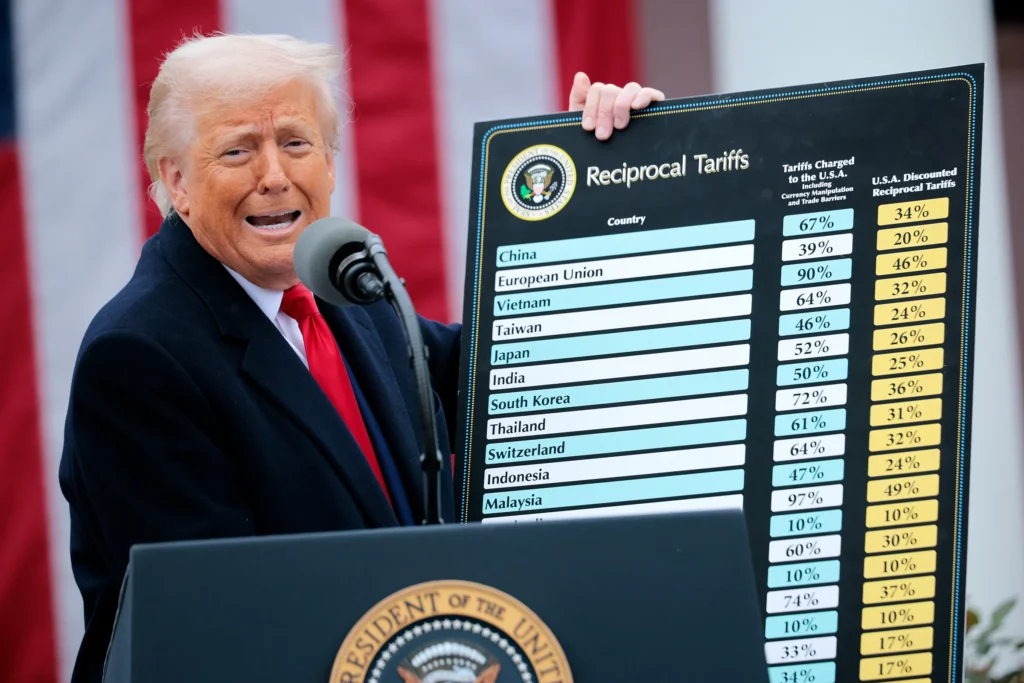
July 9th is looking more likely to bring: → EU faces 50% tariffs → Japan and India still without resolution → Multiple countries seeing tariff escalation → Extensions only for countries “negotiating in good faith”
Meanwhile, supply chains are already feeling the impact: • 43% drop in container volumes • Empty shelves risk within 1-3 months • Global growth slowing from 3.3% to 2.9%
Smart Supply Chain Leaders Are Acting NOW
While others wait and hope, proactive companies are: ✅ Getting to the bottom of their tariff exposure well beyond tier 1 suppliers ✅ Diversifying supplier bases ✅ Optimizing inventory for volatile trade environments ✅ Building cost mitigation strategies that work regardless of political outcomes ✅ Creating competitive advantages through supply chain resilience
The Next 30 Days Will Define the Trade Landscape for Years
Don’t let uncertainty paralyze your strategy. The companies that build resilience now will thrive regardless of how negotiations unfold.