
This article is part of a multi-part series designed to help business leaders navigate the evolving tariff landscape with strategic clarity and operational resilience.
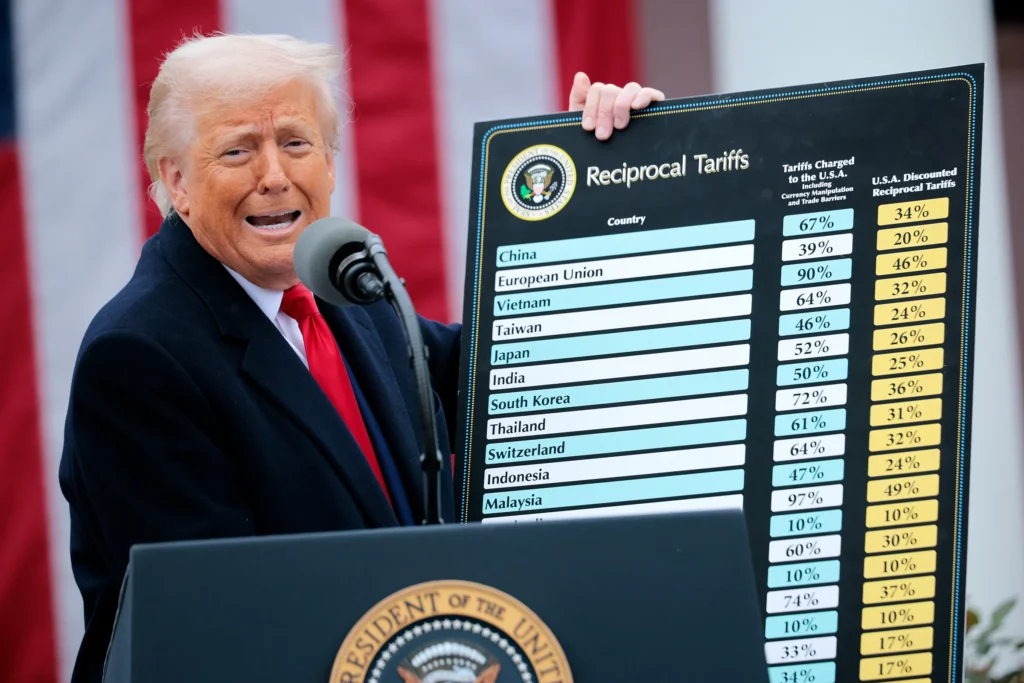
Let’s get something straight—these tariffs aren’t random. And they’re not just about protecting U.S. industries. If you’ve been watching the Trump administration’s moves, you know there’s a method to the madness. The bigger play? Leverage. Tariffs are being used as strategic tools to extract concessions, reposition supply chains, and send signals to allies and rivals alike.
This Isn’t Traditional Trade Policy
This isn’t about gradual policy evolution or multi-decade diplomacy. This is deal-making with deadlines, pressure, and very public consequences. Think:
- Announce aggressive tariffs
- Create deadline-driven urgency
- Force negotiation
- Offer relief as a bargaining chip
It’s business negotiation on a geopolitical scale—and the playbook is consistent.
The Focus on China: A Long-Term Strategic Shift
China is the clearest example of how tariffs are being used beyond trade. The U.S. isn’t just trying to rebalance imports and exports—it’s actively encouraging:
- Decoupling in tech and advanced manufacturing
- Reshoring and “friend-shoring” of critical supply chains
- Investment shifts toward U.S. and allied capacity
This isn’t about winning the next quarter. It’s about reducing long-term dependency on a strategic competitor.
The New Trade Doctrine: Bucketizing the World
Treasury Secretary Scott Bessent has laid out this three-bucket framework in multiple public speeches, underscoring that trade policy is now tightly intertwined with national security, intellectual property protection, and broader geopolitical alignment. Emerging from the administration is a framework that classifies trade partners into three buckets:
- Preferred Partners – Aligned on IP, defense, currency, and democratic values
- Conditional Partners – Mixed records, subject to moderate tariffs
- Strategic Competitors – High-tariff targets that pose structural threats (like China)
This approach ties trade directly to national security and economic alignment. Access to the U.S. market is no longer just about economic value—it’s about strategic trust.
What This Means for Your Business
If you source globally or sell internationally, these changes should already be in your planning model. Key takeaways:
- Map your exposure by bucket. Where do your suppliers and customers sit?
- Don’t bet on clarity. These moves are meant to create pressure, not predictability.
- Highlight your alignment. If you’re investing in U.S. operations or friendly markets, make it known.
- Use tariff policy as a signal. Where tariffs go, strategy follows.
Coming Up
In Part 6, we shift from strategy to action. We’ll lay out the foundational responses every business should take—starting with tariff classification audits, supply chain risk mapping, and vendor contract reviews. I will also share where you might be leaving money on the table and didn’t know it…