

Yesterday, Washington and Beijing announced a new 90-day pause in their tariff escalation. The stated déjà vu. In late 2018, a similar pause triggered a year of high‑profile talks, a “phase one” deal heavy on purchase pledges, and ultimately no resolution on the structural issues that mattered most.
That history matters because the same sticking points that derailed progress then are even harder to overcome today.
So while the ceremony may be staged, the vows exchanged, but the marriage will not happen. For supply chain leaders, the takeaway is clear: build for resilience in a cold peace, not efficiency in a reconciliation.
Then (2017-2020) With Robert Lighthizer leading negotiations, the Trump administration spoke with one voice. The U.S. economy was strong, giving Washington leverage. Xi Jinping could offer agricultural purchases to appeal to U.S. farm states and promise reforms that sounded meaningful. Both leaders wanted a deal to serve domestic political goals: Trump for his reelection campaign, Xi to ease economic pressure.
The talks nearly produced a 150-page agreement in early 2019, but Beijing walked back key commitments, reportedly striking entire sections on intellectual property and tech transfer. The Phase One deal signed in January 2020 softened tariffs on both sides but left enforcement mechanisms weak. China never met its purchase commitments. COVID-19 hit, trust collapsed, and both sides walked away.
Now (2025) Conditions are far less favorable. In Washington, Congress is united in a tougher stance on China. Any agreement seen as soft would face immediate backlash. Trade measures now extend beyond tariffs to include export controls, investment restrictions, and sanctions, enforced by multiple agencies. Without Lighthizer’s credibility among China hawks, Trump must navigate competing priorities inside his own team.
In Beijing, Xi faces a weaker economy. The property crisis and local government debt limit large purchase commitments. Youth unemployment and weak consumption make domestic stability the priority. Most importantly, “Made in China 2025” has hardened into a national imperative for technology self‑sufficiency, especially in semiconductors, after U.S. export controls. That is not negotiable.
The hardest barriers to remove
- Technology decoupling -Semiconductor and advanced‑tech separation is now structural. Rebuilding trust and supply chains would take decades.
- Security framing -Taiwan and military competition mean economic concessions are judged as strategic risks.
- Political costs at home – Leaders in both countries are rewarded for holding firm, not for compromising.
What this 90-day pause actually means
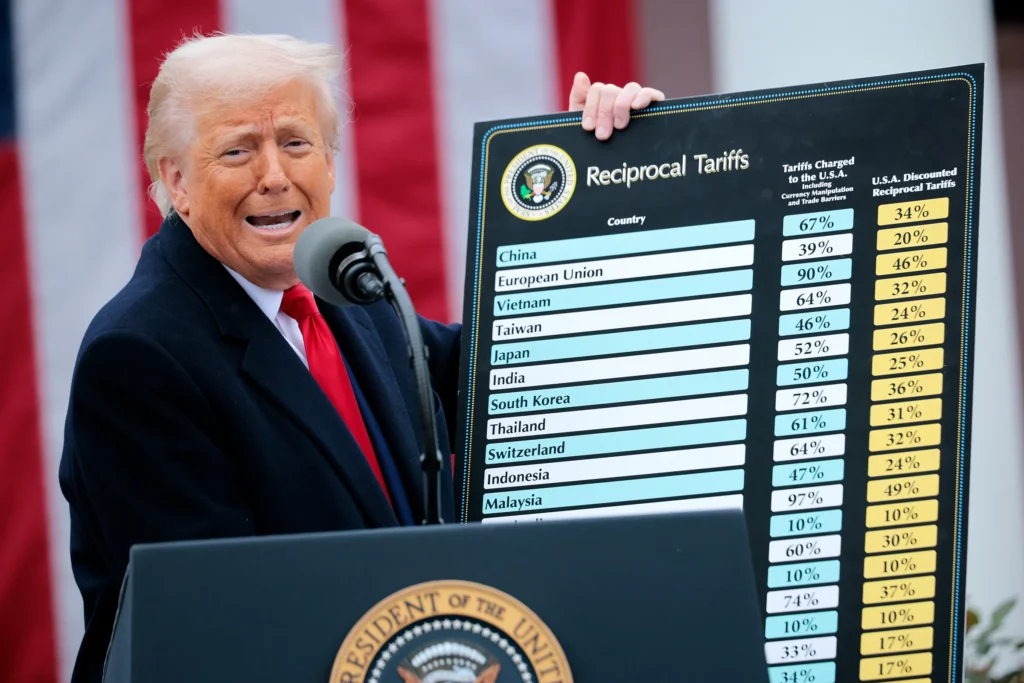
The extension announced yesterday lowered tariffs from escalation-peak levels, from 145% to 30% for U.S. imports from China and from 125% to 10% for China’s imports from the U.S., while leaving “strategic sector” duties such as those on EVs and steel unchanged. Fentanyl-related duties remain at 20%. China also agreed to resume rare earth exports used in chips and EV batteries, a move that offers temporary relief but could be reversed if talks stall.
What It Means for Your Supply Chain
- Short-term relief, long‑term uncertainty: The pause eases immediate cost pressures, but nothing in the talks addresses the structural issues that keep tariffs and restrictions in place.
- Rolling 90-day cliffs: Every extension deadline will create pricing and sourcing whiplash. Lock in contracts only if they can absorb sudden tariff reversals.
- Diversification is no longer optional: Dual sourcing outside China and building regional redundancy should remain on track, even if talks continue.
- Sector-specific watchpoints: Keep an eye on narrow deals in agriculture, climate tech, or pharmaceuticals, but do not expect them to alter the broader decoupling trend.
- Rare earths window: Tech and EV manufacturers have a temporary supply reprieve; use the breathing room to secure alternative sources before politics closes the door again.
The WTO framework that once provided a reference point is no longer relevant. Supply chain decoupling has created industries invested in separation. With Taiwan now central, the room for economic give-and-take is narrower than ever.
A new summit might yield headlines, but the core disputes over manufacturing overcapacity, market access, technology transfer, and subsidies are embedded in a broader strategic rivalry.
Need help mitigating trade risk? I work with companies to design strategies that reduce tariff exposure, diversify sourcing, and strengthen resilience against geopolitical shocks. If your supply chain could be affected by the next U.S.–China turn, send me a message or call me directly to discuss tailored mitigation plans.