
The Hidden Infrastructure Crisis: How Tariffs Are Reshaping Global Logistics
Latest analysis of tariff impacts on supply chain operations
Today’s Key Story: While trade headlines focus on tariff percentages and negotiations, the most significant disruption is happening to the physical infrastructure that moves global commerce. Here’s what the data is telling us:
This Week by the Numbers
Port Operations Under Pressure:
- LA Port cargo volumes: ↓35% year-over-year
- Container ship capacity reductions: ↓20-28% on major Asia-US routes
- Cancelled sailings: 90 blank sailings across Pacific routes (April-May)
Shipping Capacity in Freefall:
- MSC container capacity: ↓28% year-over-year
- Maersk removed 20% capacity from China-US routes in just 2 weeks
- Freight rates swinging from +50% spikes to -20% below 2024 lows
The Warehouse Capacity Crunch:
- Bonded warehouse costs: ↑4x standard storage rates
- 1,700+ bonded facilities nationwide now at full capacity
- New facility applications: 6+ month backlogs
The Boomerang Effect Now Hitting:
- Companies that paused shipments face urgent restocking needs
- Spot market rates spiking as inventory-depleted companies compete for limited capacity
- 6-8 week inventory cushions rapidly depleting at major retailers
Deep Dive: The Infrastructure Story Behind the Headlines
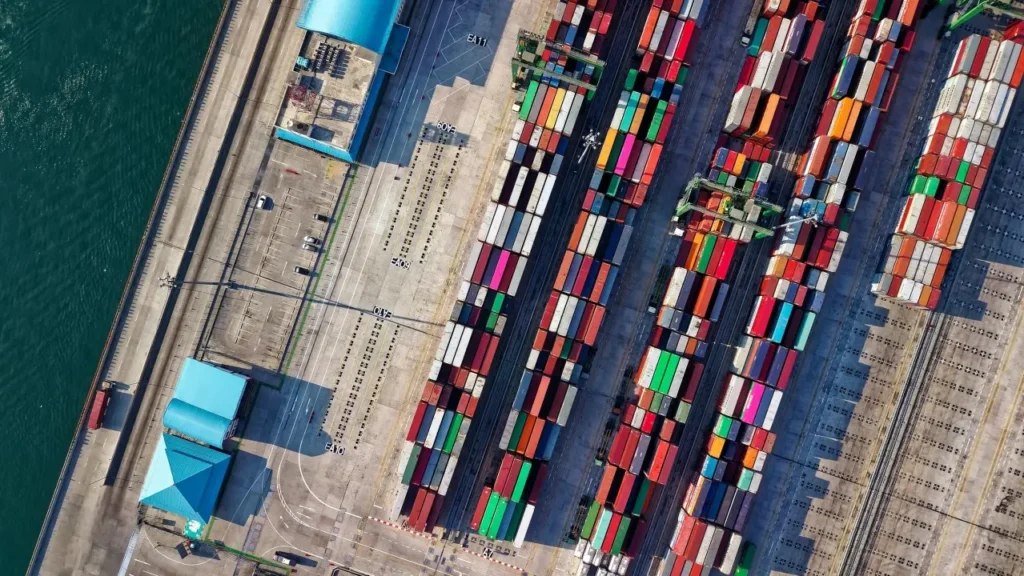
Shipping Networks in Rapid Reconfiguration: What we’re seeing in ocean freight is remarkable. Major carriers are making dramatic operational pivots—MSC cutting capacity by 28%, smaller vessels replacing traditional routes, and 90 cancelled sailings reshaping Pacific trade lanes.
The Great Bonded Warehouse Rush: Perhaps the most fascinating development: companies are scrambling to convert standard warehouses into bonded facilities. With costs jumping to 4x normal rates and 6-month application backlogs, this represents a fundamental shift in how companies think about inventory storage and cash flow management.
The Boomerang Effect Creates New Winners and Losers: Here’s what many missed: after the initial shipping pause, we’re now seeing the inevitable inventory depletion crisis. Companies that held off on shipments due to tariff uncertainty are suddenly facing urgent restocking needs—but the capacity they walked away from is gone.
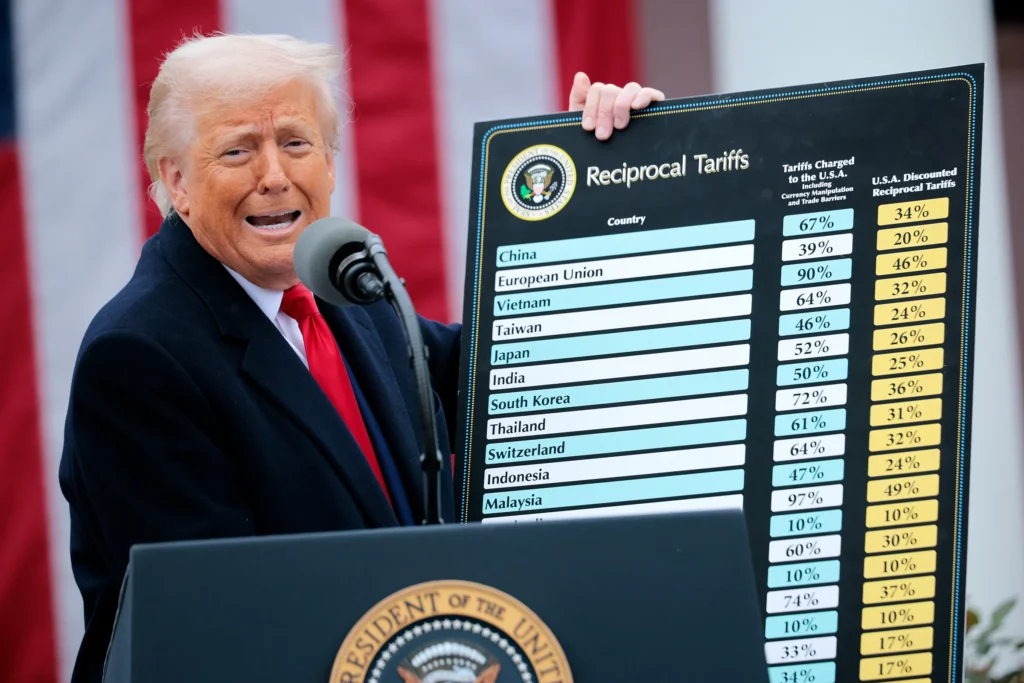
The 90-Day Rush Creates New Urgency: With the recent US-China agreement to temporarily cut tariffs from 145% to 30% for 90 days, there’s now a mad scramble to get goods shipped before rates potentially spike again. As recent Wall Street Journal reporting highlighted, companies are racing against time to move inventory during this narrow window—but the infrastructure to handle this surge simply isn’t there anymore.
How Ports and Shipping Lines Are Responding: The industry response reveals the infrastructure strain in real-time:
- Carriers scrambling for equipment: After cutting 20% of sailings during the initial pause, shipping lines are now desperately trying to reinstate cancelled routes
- Rate spikes accelerating: Carriers have introduced General Rate Increases of $1,000-$3,000 per container, with rates potentially hitting $8,000—near pandemic-era peaks
- Capacity shortages: “Trying to ship a year’s worth of goods in three months — of course there’s no room,” reports a Shanghai freight forwarder
- Ship redeployment: Major carriers like Orient Overseas and KMTC are shifting vessels from Asia-Europe routes to meet transpacific demand
Two-tier market emerging:
- Tier 1: Companies with established carrier relationships and contract capacity are securing space and reasonable rates
- Tier 2: Companies relying on spot market are paying premium rates (when they can find capacity at all)
This isn’t just about tariffs anymore—it’s about who has logistics relationships that can deliver during the critical 90-day window when inventory runs critically low.
Port Infrastructure Under Extreme Pressure: The human impact is significant. With cargo down 35% at LA ports, we’re seeing excess capacity across trucking, rail, and port labor—but this capacity isn’t where companies need it most as they scramble to restock depleted inventories.
The Infrastructure Boomerang: Port executives are now bracing for dramatic volume swings. Long Beach Port, which moved more container cargo than any other US port in Q1, is now preparing for at least 20% volume reductions in the second half of 2025. Meanwhile, the 90-day window has created what analysts call “export frenzy”—container bookings from China to the US nearly doubled from May 12-18, but total transpacific capacity had already dropped 60% by mid-May.
The Relationship Advantage: What’s becoming clear: companies with deep logistics partnerships weathered the initial capacity reduction and are now positioned to secure space for urgent restocking. Those who relied primarily on spot markets or transactional relationships are finding themselves shut out or paying dramatic premiums. As one industry analyst noted: “Hapag-Lloyd continued sailing during the collapse and may be at an advantage over rivals that culled sailings.”
What Supply Chain Leaders Need to Know
The 6-Week Inventory Reality: Major retailers report having just 6-8 weeks of inventory in their systems. With holiday ordering typically locked in by June, the infrastructure decisions being made right now will determine product availability through year-end. Adding urgency: back-to-school inventory decisions are happening now, and retailers who miss the 90-day window may face empty shelves for both the critical back-to-school season and the Christmas holiday shopping period.
Three Strategic Implications:
- The 90-Day Window Intensifies Logistics Competition – Companies with established carrier partnerships can capitalize on the temporary tariff reduction (145% to 30%), while those dependent on spot markets face severe capacity constraints during this critical restocking period
- The Boomerang Timing Trap – Initial tariff-driven shipping pauses created inventory depletion that’s now forcing urgent restocking at premium rates and limited capacity—exactly when companies need maximum flexibility
- Infrastructure Relationships Now Define Competitive Advantage – Traditional cost-focused logistics strategies are giving way to relationship-based approaches that can secure capacity during volatile periods
What infrastructure challenges are you seeing in your networks? Drop your insights below—I’ll feature responses in future updates.