
The Hidden Export Crisis: How Tariffs Are Devastating U.S. Exporters
The other side of the tariff story no one’s talking about
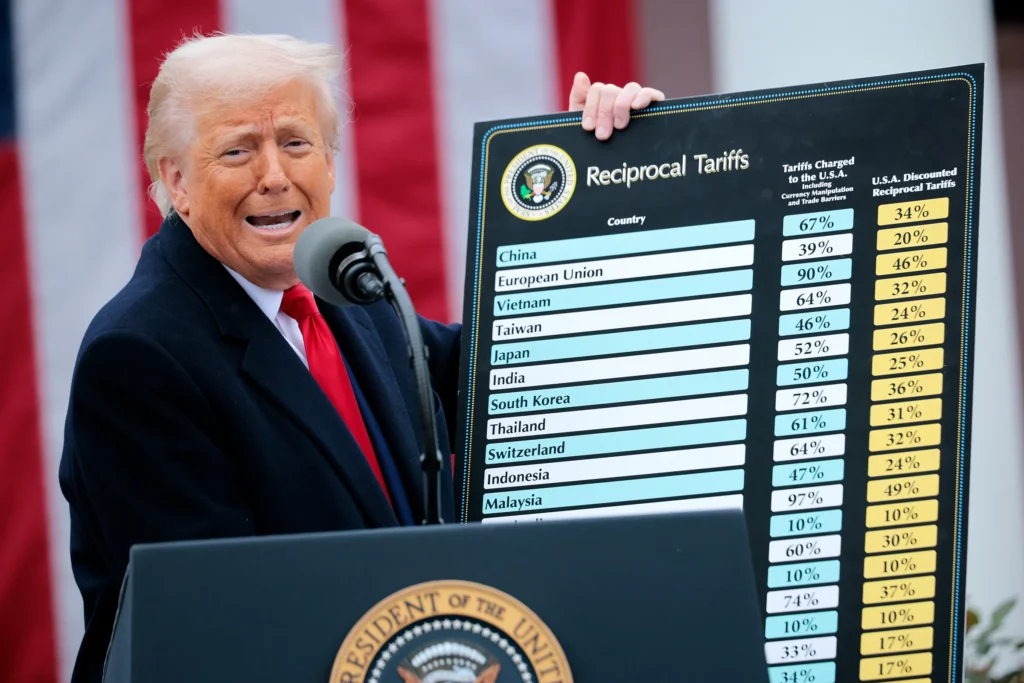
Today’s Key Story: While media attention focuses on import disruptions and rising consumer prices, a parallel crisis is quietly devastating U.S. exporters. The numbers reveal a nationwide export collapse that’s reaching into every corner of American agriculture and manufacturing.
The Export Collapse by the Numbers
Nationwide Port Devastation:
- Port of Los Angeles exports: ↓17%
- Port of Savannah (top agricultural export hub): ↓13%
- Port of Norfolk: ↓12%
- Nearly all U.S. export products affected
The Agricultural Wipeout:
- Soybeans, corn, and beef taking the hardest hit
- Export slide now reaching “nearly all U.S. exports” according to trade data
- Alternative suppliers like Brazil and Argentina filling the void
Container Ship Reality:
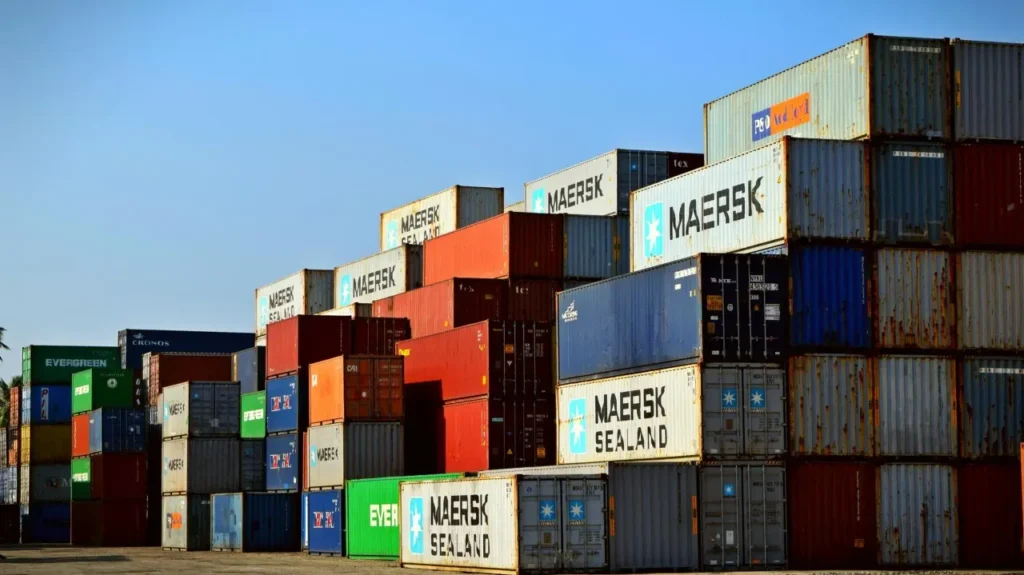
- Empty container ships sailing back to China rather than waiting for U.S. export cargo
- 43% week-over-week drop in containers through April 28
- Export cargo availability driving shipping route decisions
Why This Matters for Supply Chains
The Reverse Logistics Crisis: The collapse in U.S. exports creates a fundamental logistics problem. Container ships that normally carry U.S. agricultural products and manufactured goods back to Asia are sailing empty, disrupting the circular flow of global trade and making import logistics more expensive and less efficient.
Regional Economic Impact: Port communities that depend on export cargo handling are facing immediate workforce reductions. “We haven’t seen anything like this since the disruptions of summer 2020,” says Kyle Henderson, CEO of trade tracker Vizion.
Supply Chain Financing Strain: U.S. exporters are losing critical revenue streams that normally help finance import operations, creating cash flow constraints that ripple through entire supply networks.
The Strategic Implications
Permanent Market Share Loss: Unlike import disruptions that can recover quickly, export market share often takes years to rebuild once customers establish alternative supplier relationships.
Infrastructure Underutilization: Export-focused infrastructure—from grain elevators to specialized port equipment—sits idle while import infrastructure remains overwhelmed.
Global Trade Route Reconfiguration: Shipping lines are already adjusting routes based on cargo availability, potentially creating permanent changes to global logistics networks.
What Supply Chain Leaders Need to Know
This isn’t just about farmers and exporters—it’s reshaping the fundamental economics of global logistics. The collapse in U.S. export cargo means higher costs for importers as shipping lines struggle to balance loads and routes.
Bottom Line: The tariff impact extends far beyond import costs. We’re witnessing a comprehensive restructuring of U.S. trade flows that will have lasting effects on supply chain costs and logistics efficiency.
Are you seeing impacts from reduced export cargo availability in your logistics costs? What changes are you making to shipping strategies?