

Trump’s iPhone Gambit: The Real Target May Be US Investment
President Trump’s 25% tariff threat against Apple unless it manufactures iPhones domestically QzCNN sent the tech giant’s stock tumbling 3% Friday, but the move may be less about actual iPhone production and more about leveraging additional US investment commitments.
Trump told reporters the tariff would extend to Samsung and other smartphone makers, with implementation expected by end of June. Trump says Apple must pay a 25% tariff on iPhones not made in the U.S. However, industry observers note that Apple already announced a $500 billion US investment over four years in February, including a new 250,000-square-foot Houston factory for AI server production. Trump threatens to hit Apple with 25% tariff on iPhones made outside U.S. – CBS News
The iPhone manufacturing demand appears strategically designed to extract further concessions. Analysts estimate US-made iPhones would cost consumers $1,500-$3,500 retail Why Trump’s iPhone tariff threat might not be enough to bring production to the U.S., making actual domestic production economically unfeasible for mass market devices.
Apple’s Response Strategy: “In terms of profitability, it’s way better for Apple to take the hit of a 25% tariff on iPhones sold in the US market than to move iPhone assembly lines back to US,” noted supply chain analyst Ming-Chi Kuo.
Trump Clarifies Manufacturing Priorities: “Tanks, Not T-Shirts”
In a revealing Sunday comment that helps explain his tariff strategy, Trump clarified his administration’s manufacturing priorities while defending recent trade moves.
“We’re not looking to make sneakers and T-shirts. We want to make military equipment. We want to make big things. We want to do the AI thing with computers,” Trump said. “I’m not looking to make T-shirts, to be honest. I’m not looking to make socks. We can do that very well in other locations.” Trump says US wants to make tanks, not T-shirts | Reuters
The comments, made before boarding Air Force One in New Jersey, came as Trump agreed with Treasury Secretary Scott Bessent’s April 29 statement that the US does not necessarily need a “booming textile industry”—remarks that drew criticism from the National Council of Textile Organizations.
Industry Pushback: The American Apparel & Footwear Association responded that “with 97% of the clothes and shoes we wear imported, and with clothes and shoes the most highly tariffed industry in the US, we need to focus on common sense solutions that can move the needle. More tariffs will only mean higher input costs for US manufacturers and higher prices will hurt lower income consumers.”
Bessent’s Friday Offensive: EU “Not Negotiating in Good Faith”
Treasury Secretary Scott Bessent delivered pointed criticism of European trade negotiations Friday, setting the stage for Trump’s 50% EU tariff bombshell.
“The president believes that the EU proposals have not been of the same quality that we’ve seen from our other important trading partners,” Bessent told Fox News. “The EU has a collective action problem here. It’s 27 countries, but they’re being represented by this one group in Brussels.”
Bessent’s comments about wanting to “light a fire under the EU” Bessent says Trump tariff threat may light a fire under EU in trade talks | Reuters proved prophetic when Trump announced the escalated tariff threat hours later.
EU Wins Deadline Extension After von der Leyen Intervention
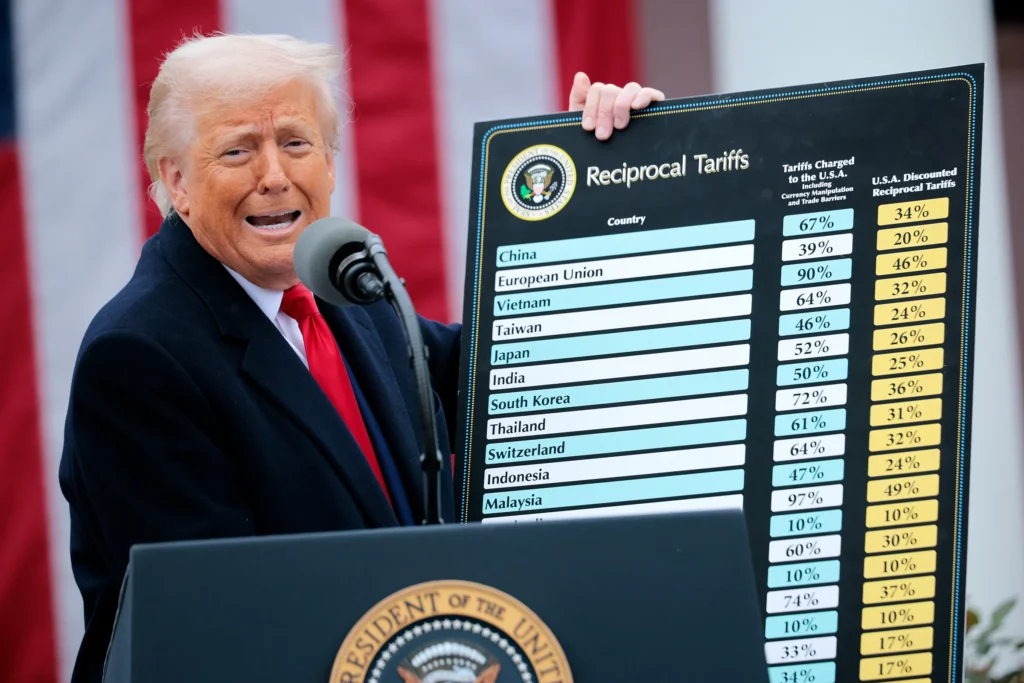
After triggering global market turmoil Friday with his 50% tariff threat on EU goods starting June 1 CNNCNN, Trump reversed course Monday following a weekend phone call with European Commission President Ursula von der Leyen.
Trump backed away from his threat to impose 50% tariffs on imports from the European Union next month, restoring a July 9 deadline to allow for talks between Washington and the 27-nation bloc to produce a deal.
Market Relief: European assets rallied on Monday. The euro hit its highest level against the dollar since April 30, while European shares surged and were poised to recoup the previous session’s losses.
Trump’s Explanation: Trump told reporters he had granted the request. “We had a very nice call, and I agreed to move it,” Trump said before returning to Washington after a weekend in New Jersey. “She said we will rapidly get together and see if we can work something out.”
Von der Leyen confirmed the extension, stating: “Europe is ready to advance talks swiftly and decisively. To reach a good deal, we would need the time until July 9.” Trump delays EU tariffs until July 9, European markets rally | Reuters
Strategic Uncertainty as Negotiating Tool
Bessent continued defending the administration’s unpredictable approach as intentional strategy. “If we were to give too much certainty to the other countries, then they would play us in the negotiations,” Scott Bessent says tariff uncertainty is a tactic — otherwise countries ‘would play us in the negotiations’ he explained, framing market volatility as tactical advantage.
Trump’s Sunday manufacturing comments reinforce this selective approach—targeting high-value industries like semiconductors, military equipment, and advanced technology while acknowledging that lower-margin textile production can remain offshore.
What’s Next
With the pause set to expire on July 9 Trump says he’s ‘not looking for a deal’ with the EU after threatening a 50% tariff | CNN Business, the EU now has an additional month to craft proposals that satisfy Washington’s demands. The extension aligns the EU deadline with the broader reciprocal tariff pause, creating a unified July deadline for major trade negotiations.
Trump’s dual pressure campaign—targeting both foreign trading partners and domestic companies—signals an intensified approach to reshoring high-value manufacturing while accepting that some production will remain overseas. The Apple gambit particularly illustrates this strategy: rather than actually expecting iPhone production to return stateside, the administration appears focused on leveraging additional US capital commitments in advanced manufacturing sectors.
Markets stabilized Monday on the EU deadline extension, though traders remain wary of Trump’s “strategic uncertainty” doctrine as July deadlines approach.