
This article is part of a multi-part series designed to help business leaders navigate the evolving tariff landscape with strategic clarity and operational resilience.
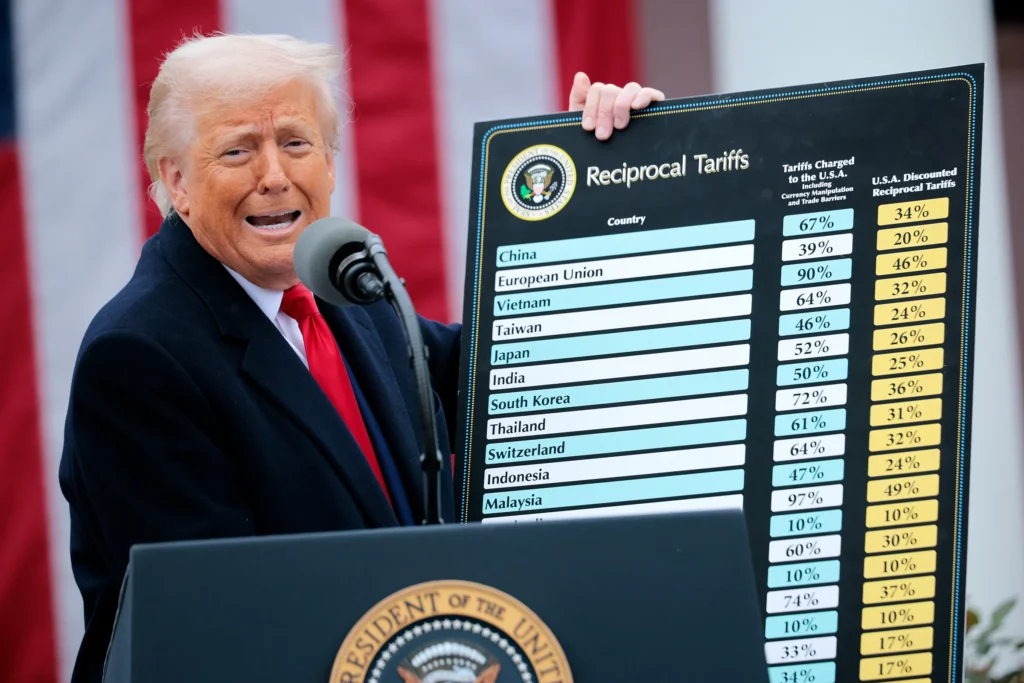
New announcements about China and the UK may give the impression that tariff policy is reaching a conclusion—or at least settling down. That would be a mistake.
Rather than marking the end of trade action, these developments are likely just the latest steps in a more sustained and assertive U.S. trade strategy. Any pause in implementation or negotiation should be treated not as relief—but as a strategic window.
This is the time to re-double your efforts:
- Understand how tariffs actually work
- Identify exposure points in your supply chain
- Build resilience into sourcing, pricing, and partnerships
- And most importantly, explore how trade disruption can become a competitive advantage
This series begins with the fundamentals and builds toward actionable strategies your business can deploy—regardless of size or industry.
What Is a Tariff?
A tariff is a tax imposed on imported goods and services. It serves two main purposes:
- Generate government revenue
- Influence trade by making imports more expensive
Tariffs are applied at the border—but the real cost is borne by U.S. importers, not foreign exporters.
Who Really Pays?
A common misconception: “foreign countries” pay the tariffs. In reality, importing businesses absorb the cost. This leads to tough decisions:
- Absorb the cost and cut into margins
- Renegotiate with suppliers
- Pass increases along to customers
Types of Tariffs
Most tariffs fall into one of three categories:
- Ad Valorem – a percentage of the good’s value (e.g., 25% on imported steel)
- Specific – a flat fee per unit (e.g., $0.25 per pound)
- Compound – a combination of the two
Tariffs vs. Other Trade Barriers
It’s helpful to distinguish tariffs from:
- Quotas – volume limits
- Sanctions – politically motivated trade blocks
- Non-tariff barriers – regulations, standards, or licensing issues
Understanding this taxonomy helps supply chain and finance teams engage in smarter trade strategy conversations.