

The clock is ticking. In just 14 days, the global trade landscape could fundamentally shift—and most businesses aren’t prepared.
On July 8-9, 2025, the Trump administration’s 90-day “pause” on sweeping reciprocal tariffs expires. What happens next could determine whether we see negotiated stability or a return to trade chaos that makes the April market crash look mild.
The Critical Deadline Everyone’s Watching
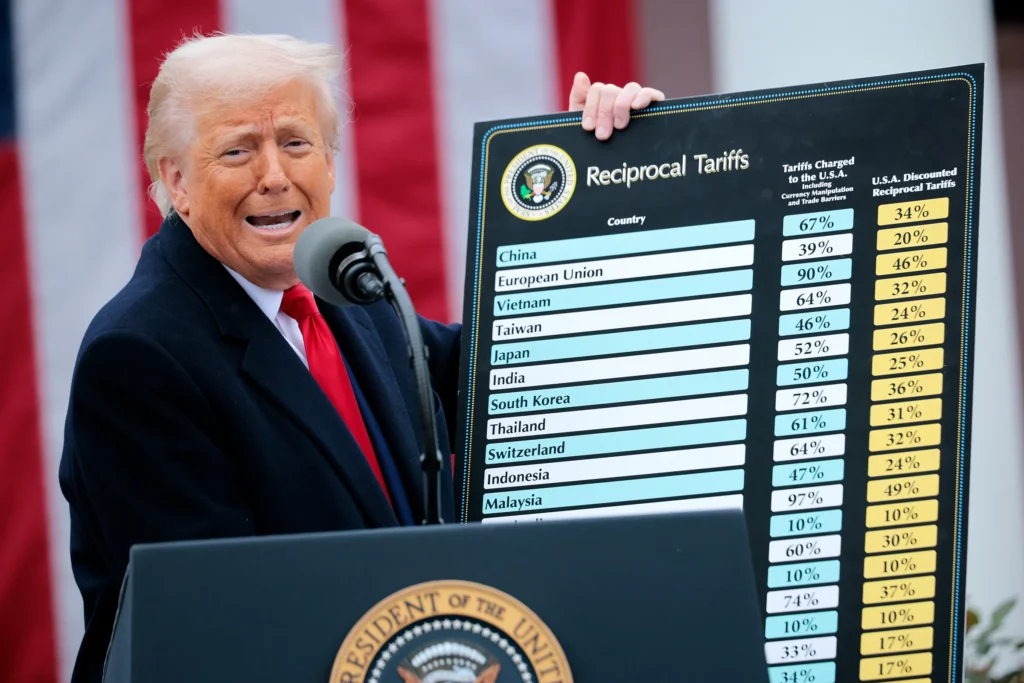
The 90-day pause on Trump’s broadest “reciprocal” tariffs expires on July 8 for most countries and July 9 for the European Union. This temporary reprieve, announced during April’s market panic, reduced many country-specific tariffs from rates as high as 84% down to a 10% baseline.
But here’s the reality: only one formal trade deal has been completed (with Britain), while 17 others remain at various stages of negotiation. That’s a lot of unfinished business with two weeks on the clock.
The Supply Chain Devastation Is Already Here
While markets focus on negotiations, supply chains are already in crisis:
Import Collapse
- 43% week-over-week drop in container volumes through April
- Major ports seeing double-digit declines: Los Angeles (-17%), Savannah (-13%), Norfolk (-12%)
- Comparison point: “We haven’t seen anything like this since the disruptions of summer 2020”
Export Hemorrhaging The trade war has triggered a nationwide export slump, with agriculture bearing the brunt. U.S. agricultural exports—soybeans, corn, beef—are experiencing severe declines as retaliatory measures take hold.
Real Economic Impact
- Consumer prices up 1.7% from tariffs alone ($2,800 average household cost)
- Effective tariff rate at 17.8%—highest since 1934
- GDP growth down 0.7 percentage points
- Unemployment rising 0.4 percentage points by year-end
What Businesses Are Actually Doing (Hint: It’s Not What Trump Intended)
The “China Plus One” Acceleration: Rather than reshoring to America, companies are rapidly establishing alternative manufacturing in Vietnam, Mexico, and other lower-cost regions.
Inventory Frontloading Exhausted: The Q4 2024/early 2025 rush to stockpile goods at pre-tariff prices has run its course. Companies can’t sustain this strategy long-term.
Wait-and-See Paralysis: Many businesses are frozen, hoping for last-minute deals or a good outcome. Many have not even attempted to find multi tier exposure thinking they are in the clear. This reactive approach is proving costly as competitors who planned ahead gain market advantages.
Three Scenarios for July 9
Scenario 1: Extended Negotiations Treasury Secretary Scott Bessent has signaled willingness to extend deadlines for countries “negotiating in good faith.” This could maintain the 10% baseline while talks continue.
- Likelihood: High for key allies (Canada, Japan, potentially EU)
- Impact: Continued uncertainty but manageable tariff levels
Scenario 2: Selective Deal-Making Some countries secure agreements while others face the full tariff resumption. Trump’s recent statement—”This is the deal, you can take it or leave it”—suggests a hardline approach for non-cooperative nations.
- Likelihood: Medium to High
- Impact: Fragmented global trade relationships, continued supply chain complexity
Scenario 3: Full Tariff Resumption The pause expires without sufficient deals, triggering the return of country-specific tariffs up to 84%.
- Likelihood: Lower but possible for certain countries
- Impact: Severe supply chain disruption, potential market panic, immediate retaliation
The Retaliation Pipeline Is Loading
China and the EU aren’t waiting passively. Both are preparing 25% retaliatory tariffs on U.S. goods—soybeans and whiskey are primary targets. The EU has also threatened broader “trade bazooka measures” if negotiations fail.
Your 14-Day Action Plan
Immediate (This Week)
- Audit Your Exposure: Calculate worst-case tariff scenarios for your key supply chains
- Documentation Ready: Ensure country-of-origin paperwork is bulletproof
- Alternative Sourcing: Identify backup suppliers outside high-risk countries
Strategic (Next Week)
- Scenario Planning: Model business impacts under each potential outcome
- Customer Communication: Prepare messaging about potential price adjustments
- Cash Flow Protection: Secure working capital for increased inventory costs
Ongoing
- Real-Time Monitoring: Track negotiations daily—this situation changes rapidly
- Supplier Relationships: Strengthen partnerships with non-tariff-exposed suppliers
- Technology Investment: Implement supply chain visibility tools for faster pivots
The Uncomfortable Truth
The global supply chain disruption we’re witnessing isn’t temporary turbulence—it’s a fundamental reshaping of international trade relationships. Companies that treat this as a short-term problem to wait out will find themselves competitively disadvantaged against those building resilient, diversified supply networks.
Whether you’re a CPO managing global procurement, a logistics director coordinating shipments, or a CFO modeling financial impacts, the next two weeks will test every contingency plan you’ve developed.
Bottom Line
July 8 isn’t just another deadline—it’s a potential inflection point for global commerce. The businesses that emerge stronger will be those that have used this 90-day pause not to hope for the best, but to prepare for multiple scenarios.
The question isn’t whether disruption is coming—it’s already here. The question is whether your organization will be ready for what comes next.
⚠️ Don’t Leave Your Supply Chain to Chance
With just 14 days until the deadline, now is the time to act—not react.